
In an era where calculators are a tap away, it’s easy to wonder, “Do kids really need to practice math facts every day?” The short answer? Yes. And here’s why: building fluency with basic arithmetic isn’t just about memorizations – it’s about creating a strong foundation that supports confidence, critical thinking, and long-term success in math (and beyond). I’ve seen it first hand as an elementary teacher and also with my own children during their primary years in school. Regular practice might seem simple, but its impact is anything but.
But practicing math facts every day doesn’t have to be boring. In fact, it shouldn’t be! Endless worksheets and flashcard drills are useful, but please don’t feel like you have to use those every day (unless your kid absolutely loves them). When practice feels like play, kids are more likely to retain what they learn and they enjoy doing it. The key: keep it short, consistent, and most importantly…fun!
Here are 18 Creative Ways Practice Addition & Subtraction Facts
Help kids master addition and subtraction facts without the groans:
- Dice Games
- Roll two dice and add or subtract the numbers. Add in a race against the clock or points system for a fun competition. It doesn’t have to be complicated to be fun!
- Math Fact War (with cards)
- Use a deck of cards (remove face cards). Each player flips two cards, add or subtract them. The player with the higher total wins that round. This small adjustment to the game of war makes it perfect for a quick game of addition or subtraction practice.
- Math Puzzle Matching
- Create a simple puzzle where kids match problems (like 9-3) to their answers (6). Or try out one of these premade puzzles that you can download and print:
- Online Games and Apps
- Try apps like MathTango, SplashLearn, or websites like ABCya, Fun4theBrain, and Cool Math 4 Kids.
- Color-by-Number Math
- This is a great quiet time activities for math fact practice. All you need is a printable “Color-by-Number” worksheet and some crayons or markers. Its def one of my fave activities for quiet time in the afternoon.
- Here are some of awesome printable Color-by-Number Worksheets:
- LEGO Math
- Write math facts on small sticky notes and attach them to LEGO bricks. Kids solve and build towers as they go.
- Target Practice
- Write answers on cups or sticky notes. Call out a problem, and have the child toss a ball or beanbag at the right answer.
- Fact Scavenger Hunt
- Hide math problems around the room or yard. Kids hunt, solve, and bring them back for points.
- Cut and Paste Sorts
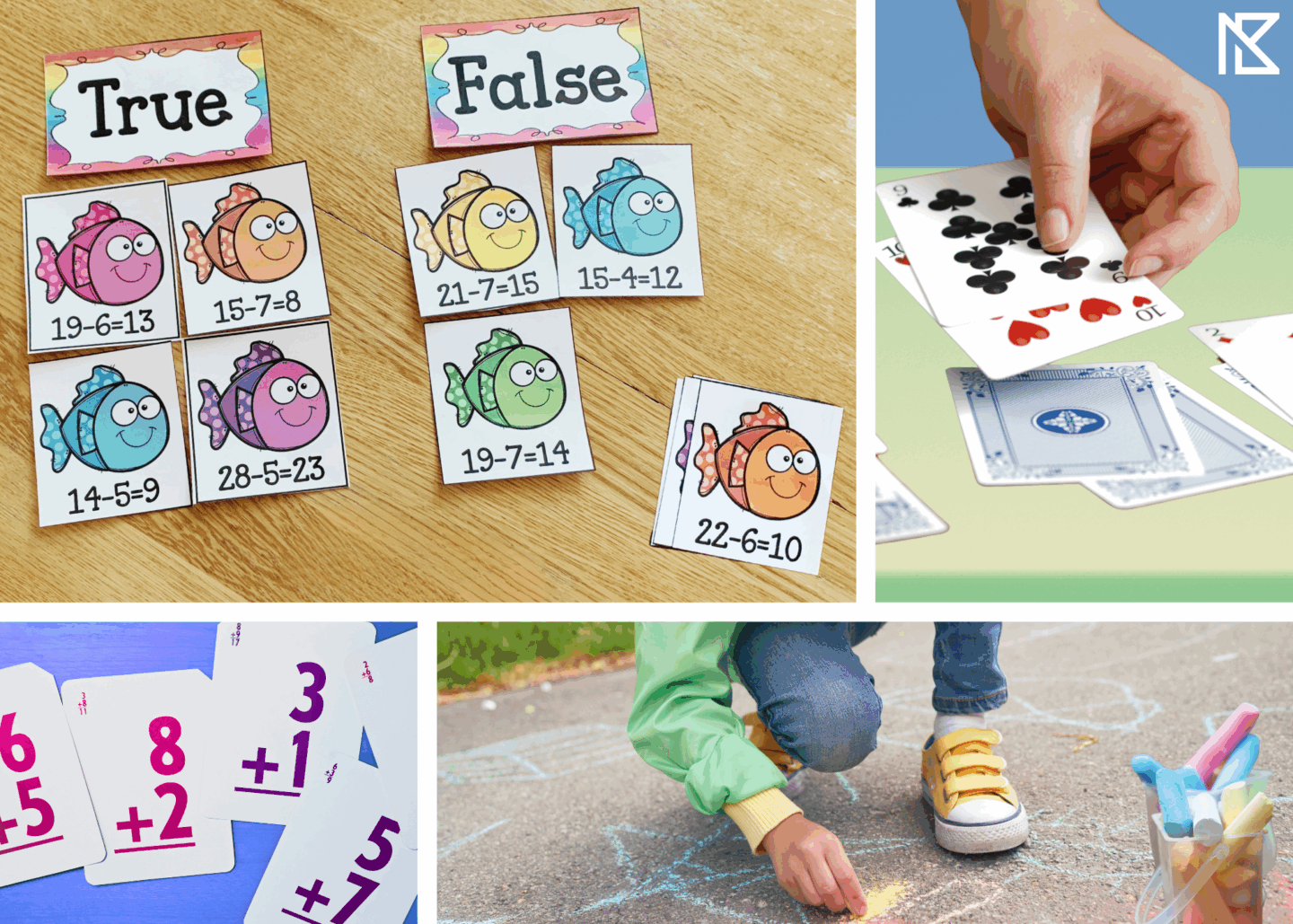
- Give kids a page of facts and answers. Have them cut and match them into “true” and “false” piles.
- Math Fact Box
- Write a few facts on slips of paper and put them in a box or jar. Each day, pull 3-5 to solve aloud or on a whiteboard.
- Board Game Modifications
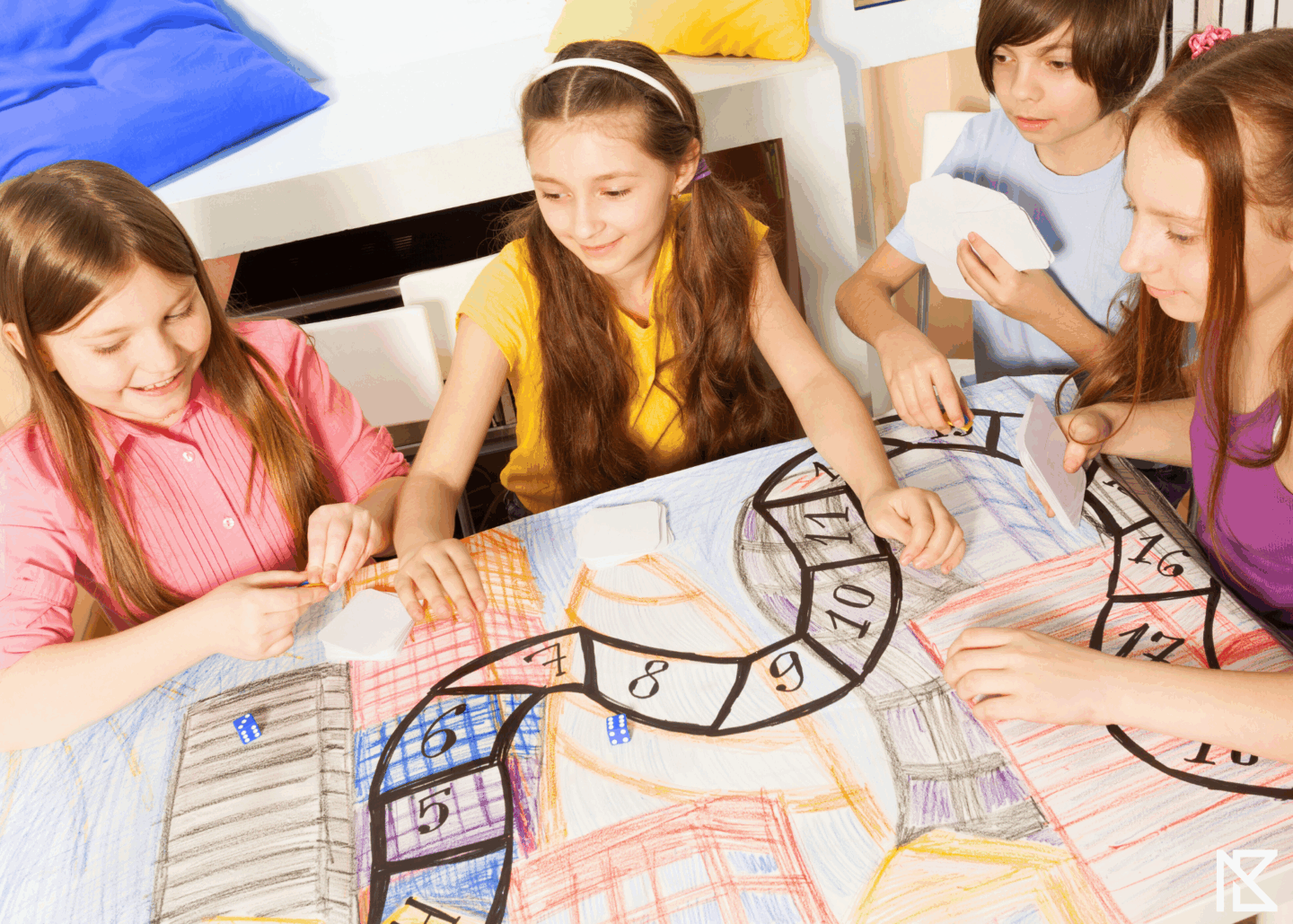
- Take any favorite board game and add a math rule: you can only move after solving a fact.
- Sing It Out
- Make up silly songs to help remember tricky facts. Bonus points for hand motions or a dance break!
- Memory Match Game
- Make a DIY card game where one card is a math problem and the other is the answer.
- Beat the Timer
- Set a 1-minute timer and see how many facts your child can get right. Then try to beat their score the next day. Kids love it when they can beat mom or dad!
- Sidewalk Chalk Facts
- Write problems on the sidewalk or driveway. Kids run to the correct answer or solve them with chalk.
- I’ve also adjusted target practice (Activity #7 from this list) using sidewalk chalk, a bucket of water, and a large sponge. Write the sums of your math problems using chalk on the driveway. Say an addition problem aloud. Solve it by throwing a wet sponge onto the correct sum. This is a perfect activity for a hot summer day!
- Flashlight Math
- Turn off the lights and shine a flashlight on facts posted around the room. Solve the one the light lands on.
- Sticky Note Math Wall
- Post sticky notes with different problems all over the house. Your child solves one every time they pass by.
- Snack Math
- Use goldfish crackers, pretzels, or grapes to solve and see addition and subtraction. Bonus: they can eat their answers! This one is my five year old’s favorite way to do math!
Practicing math facts daily isn’t just about getting your child through first or second grade and it doesn’t have to look like the boring memorization drills many of us grew up with. It can be fun and meaningful at the same time. The more we help our kids build fluency with basic facts, the stronger their brain connections become in number sense and calculation. These “math brain muscles” make it easier for them to handle more complex problem-solving as they move into the upper grades—and those skills carry over into everyday life, too.